

As a credit manager, you naturally don’t want to miss that important signal. Last year’s financial statements remain relevant, of course, but you want to keep a close eye on how your client is performing and paying today. A credit limit that was justified six months ago may no longer be justified now.
Active credit management
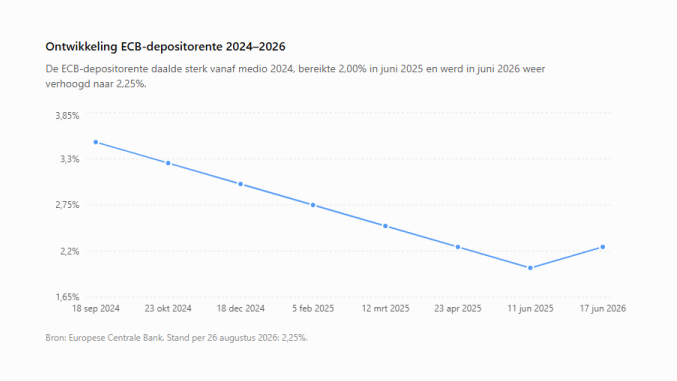
Higher interest rates are putting pressure on your working capital. Financing is becoming more expensive, whilst liquidity requirements are increasing. But you’re not just looking at your own financing position; you’re also assessing the quality of your accounts receivable portfolio. Which customers consistently pay late? Where are the concentration risks? Are the credit limits still up to date? Continuous monitoring is becoming increasingly important. Credit risk and working capital are therefore on the same agenda. You don’t want to wait until a customer runs into trouble. Instead, you want to identify issues earlier, actively manage limits and free up liquidity where necessary. Factoring, for example, can offer a solution by converting invoices into cash sooner, without you first having to adjust your commercial terms.