

Factoring: am I losing control?

An entrepreneur starts for himself or herself because he or she believes he or she can do some things better or smarter. Taking matters into their own hands. This includes an entrepreneur wanting to maintain as much control as possible. As a business grows, this often no longer works. Some tasks have to be delegated and external parties also have their say. Initially, when doing business with small customers, you can still set the terms yourself. As the customers grow, you will increasingly have to settle for the (purchasing) conditions of the customer, often a multinational.
Risk management and default risk
Debtor risk is often one of the largest items on the balance sheet whose value needs to be correctly assessed. You know that entrepreneurship involves the necessary risks. It is therefore wise to identify and manage these risks as well as possible. You do this with your risk management: a process by which you continuously identify, control, monitor and report risks.
What trade-offs do you make? Risk management or risk accounting?

If you think about risks at an early stage, you are more likely to prevent them. You can set this up in different ways. For example, risk management is a continuous process, the initiative often lies with management and it is then applied throughout the organisation. Potential events that could have an impact are identified, risks are managed and thus fall within the risk acceptance level. It is thus a structured way to better manage risks. With risk accountability, the emphasis is on, as the name suggests, accountability. It is then more obvious that the audit department, finance department and controllers are the drivers of the process, with support from an external auditor.
Surprising result of Dutch elections
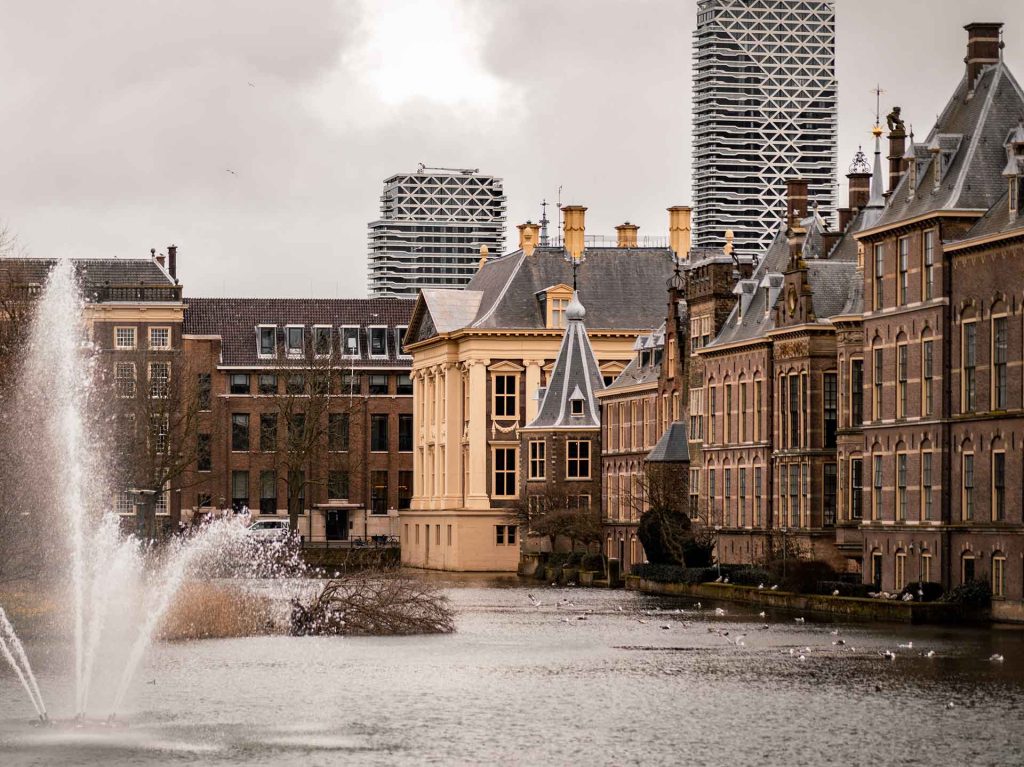
While it was to be expected that the elections would bring quite a few changes, many had not thought that the PVV would become the largest party. Pieter Omzigt's newcomer NSC also gained a hefty number of seats. The old ruling parties were all punished considerably by voters.
Close 2023 well. 7 tips to benefit!

Time is running out, so we're falling head over heels. There are still some things you can do to take advantage of your credit insurance or financing at the last minute of 2023. So read the seven tips and get started!
BMKB Green for companies with up to 250 employees
For many entrepreneurs, it is all hands on deck at the moment. After a turbulent corona period, accrued tax debts must be paid off, necessary vacancies are hard to fill because there is a shortage of good candidates, and then demand is also collapsing due to the major uncertainties in our part of the world. And if that doesn't fill your day, the government also expects you to make your business more sustainable. Where do you get the time and especially the money?
Beware of identity fraud!
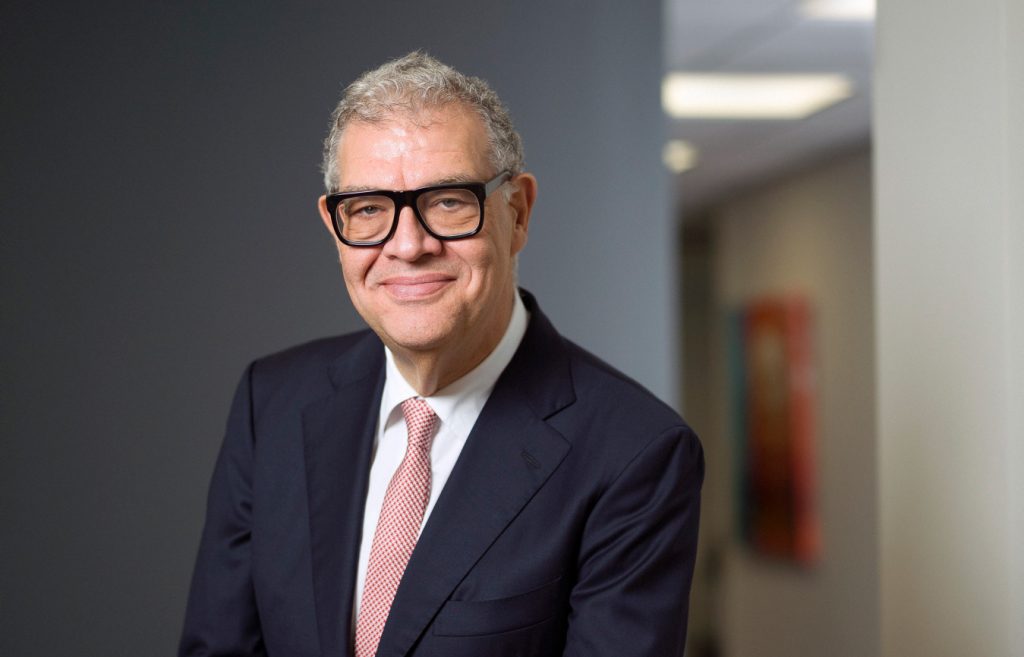
CEO of the IA Group Chanan Hertzberger is a valued cooperation partner of Xolv. The IA Group specialises in resolving and preventing trade disputes between buyers and sellers around the world. In this article, Chanan explains what and especially how the IA Group works, and he is happy to share some tips for entrepreneurs doing business abroad.
How do you do business in high-risk countries?

When you do business internationally, there are certain risks you can hedge. Countries can be directly or indirectly involved in conflicts and this has huge geopolitical implications. Think of China, Iran, Lebanon, the US, Jordan, Saudi Arabia, the ongoing war between Ukraine and Russia and the serious conflict between Israel and Hamas in the Gaza Strip. We reflect on the personal suffering among the people and the many casualties.
State guarantee still allows credit

There is a scheme that allows a company to increase collateral, giving financiers more security in the loan underwriting process. The Dutch government guarantees the BMKB loans provided (also known as state guarantees). The bank can subordinate half of the loan application to a guarantor loan, making the state a guarantor for 90%. What its purpose is? To encourage Dutch SMEs. But alternative lenders are also allowed to provide state-guaranteed loans. And that definitely brings advantages for entrepreneurs.
Insure buyers in high-risk countries

Alongside the ongoing war between Ukraine and Russia has come a new serious conflict, the war between Israel and Hamas in the Gaza Strip. The most terrible thing about this war is the personal suffering among the civilian population and the many deaths and injuries it brings.