
Selling SME business. How then?

Have you reached an age where you are thinking of quitting your business and have no successor or do you believe that the phase your business is in no longer fits well with your personal qualities and ambitions? Then selling your business might be a good solution. But selling your life's work is not something you just do on a back afternoon. No, something like this requires a lot of thought, preparation and often an emotional process to arrive at this drastic step. So what are some of the things you need to look out for as an entrepreneur?
It is too early to bet on the demise of king dollar!
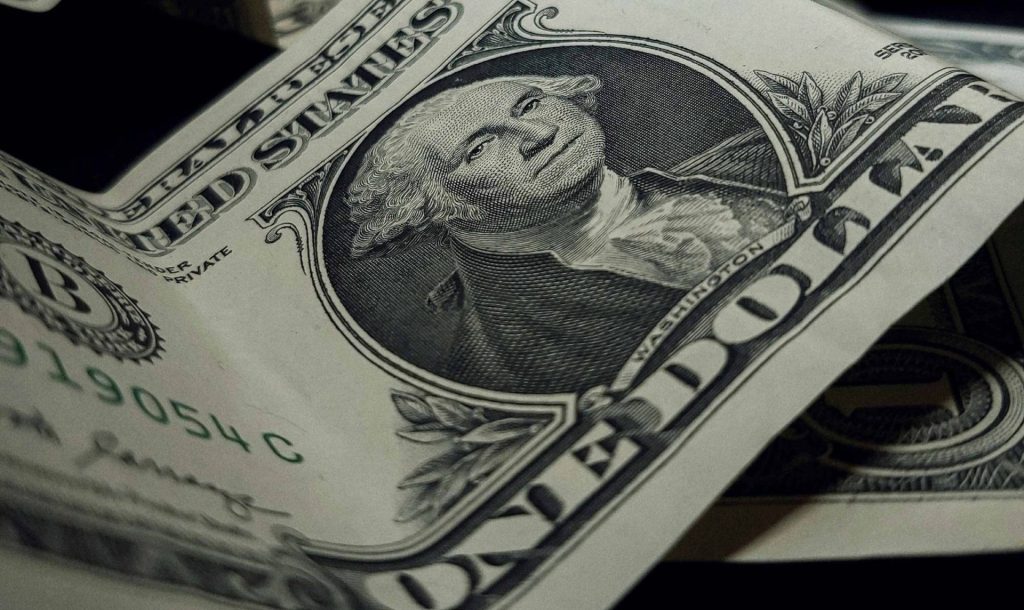
French President Emmanuel Macron's recent claim for a "European strategic autonomy" clashes with reality: "the supremacy of the US dollar". Talks about the Chinese yuan challenging the US dollar as the main currency standard have intensified in recent months. For instance, France and China completed their first LNG transaction in RMB and China and Saudi Arabia agreed to build a refinery for RMB 83.7 billion without payment in USD. This is, of course, positive. But let's face it, unless there is a dramatic geopolitical and financial shift, it will be decades or maybe even longer before the RMB becomes a serious competitor to the US dollar.
What risks do you face when doing business internationally?

As an entrepreneur, you are always looking for opportunities, for new sales markets, for new cooperation partners. And those opportunities also lie beyond the borders of the Netherlands, of course. Naturally, doing business internationally also involves risks. What about currency fluctuations? Just to name one example. To manage risks, you will first need to have an overview of what risks there are. We list some of them:
This law extends beyond traditional debt collection services
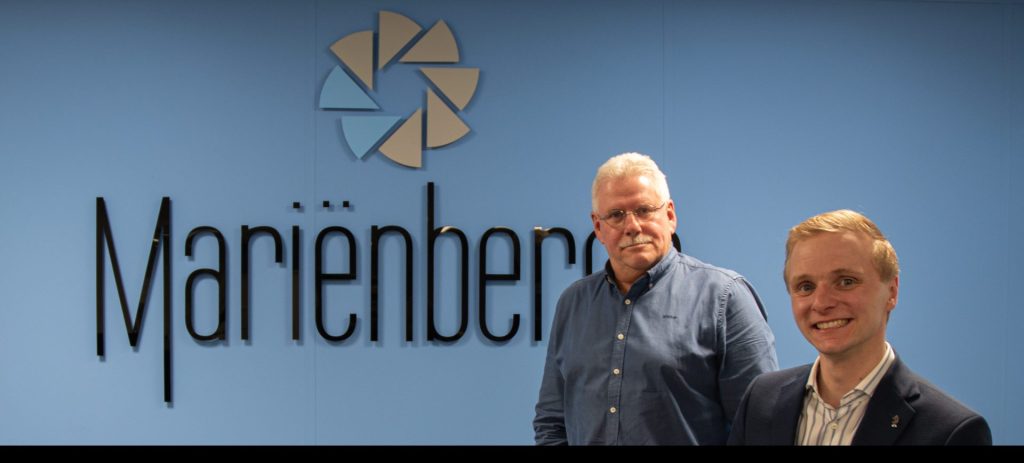
Xolv has been working with Mariënbergh Incasso Services for many years. Director Patrick Spierings has been in the business, as he puts it himself, "for about 40 years". Lawyer Robbert Goossens joined the company early this year. Robbert is a specialist, among other things when it comes to the Debt Collection Services Quality Act: "The entry into force of this act has been postponed several times, but now it really will take effect on 1 April. The Wki introduces major changes."
Repayment problems with tax debts?
The financial news is full of stories of entrepreneurs struggling to pay off debts accumulated during the corona era. These may include rent debts at retailers who faced lockdowns, repayment obligations at the bank, but especially tax debts. The latter must be repaid in a maximum of 60 months from October 2022. Under normal circumstances, that seems a perfectly reasonable timeframe. Were it not for the fact that we were already in economic dire straits at that time. High energy prices, major problems in the supply chain of raw materials and resulting high prices. This also led to reduced demand in industries. After the Manufacturing Purchasing Managers Index (PMI) experienced a brief upturn between April and August 2021 with a peak of 63, it then fell precipitously to its low of 43 a year later. A score below 50 means an expected decline in manufacturing demand.
Bank guarantee has long since ceased to be the only option

Working capital is the money your business needs to meet day-to-day financial obligations. For example, to pay suppliers, purchase goods and parts necessary for the business or project. Companies that manufacture capital goods (think machinery) and, for example, construction companies often need to provide financial guarantees as security that they can meet their obligations, take on a project and when they receive advance payments. In the current market, we also see prepayment guarantees being required when goods are ordered abroad (think China or Vietnam, for example).
Credit limit rejected? A guarantee from the parent company can give the right push!

Suppose the credit insurer cannot provide cover on the debtor you are doing business with. Then it may pay to seek a guarantee from the parent company and have the limit reassessed. Credit insurers can then - by guaranteeing the parent for any losses - issue a (higher) limit on the debtor.
Delivering on credit? Do it smart!

Every entrepreneur has to take risks, especially in the beginning. But as the business grows, the risks become greater and also often less transparent. Good entrepreneurs know how to manage risks well. But unfortunately, they do not always succeed. Being an entrepreneur also means being able to deal with setbacks, learn from them and carry on. Falling down and getting up again. And it is essential to learn from mistakes.
Don't just sign at the cross
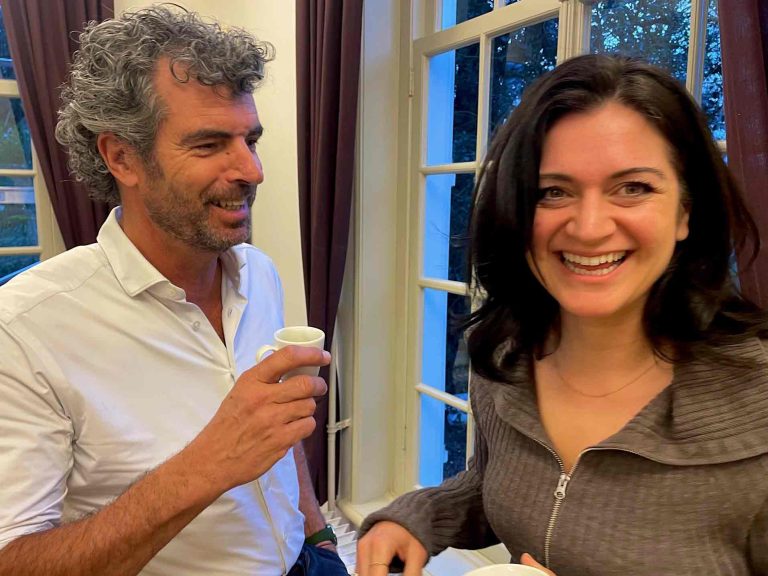
It's all about the click. But there is more, of course. The click has to be good, but without expertise, you won't get anywhere either. And we haven't even mentioned unburdening customers. But often it starts with the click. Even if you decide to switch jobs. If you give up something for something new, it has to feel right. Emine can only endorse that.
Entrepreneurship is about taking risks

As an entrepreneur, you have to take risks. But calculated, of course. Where you limit risks as much as possible. Ultimately, it should not jeopardise the continuity of your business. Yet irresponsible risks are still taken within companies, which in some cases even end in bankruptcy. It is therefore important to periodically identify risks and take measures to mitigate them. Every company should therefore spend time on risk management!