
Geopolitical turmoil translates to the workplace at lightning speed
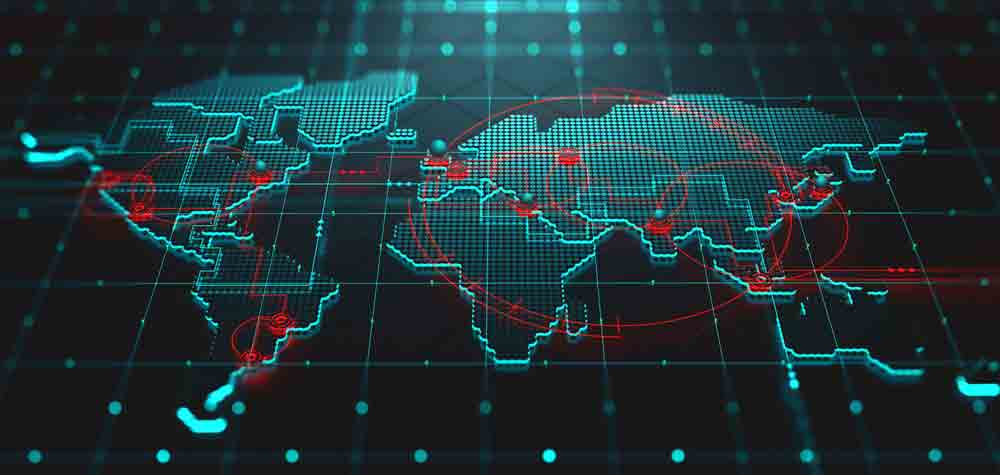
Tensions in the Middle East have long since ceased to be a distant reality. For Dutch companies, the consequences are becoming increasingly concrete and especially tangible in the short term. In a global economy where volatility has become the norm, economic shocks follow each other in quicker succession and impact directly on financing, costs and risks. For CFOs, it is now all about looking ahead and daring to calculate different scenarios.
The power of laughter

The hospital room is quiet. A little boy sits on his iPad, his father beside him. Everything feels heavy. Then two CliniClowns enter. They don't make direct contact yet, but create play with each other. Cautiously, probing. They see what is possible in the room. Slowly, space is created. The little boy doesn't have to do anything. The clowns involve his father in their play, and what starts small grows into something bigger. The father puts on a red clown nose and gets carried away. The little boy looks up, starts laughing, louder and louder. What started as a quiet, tense room turns into a place full of lightness and energy.
Each roof tile is checked manually

Luijtgaarden has been a trusted name in roof tiles since 1913. What once began as a specialist family business has grown into a modern player that combines craftsmanship with a clear mission: a world without waste and scrap. Peter van Loon is interim finance director at Luijtgaarden: “All used roof tiles are checked one by one.”
Fickle interest, critical eye

Geopolitical tensions, faltering supply chains and economic unpredictability dominate the news. This global turmoil directly affects your wallet, especially via rising or sharply fluctuating short-term interest rates. While you focus on your core business, the current interest rate market can imperceptibly take a big bite out of your profit margin. Consequently, many business owners wonder whether they should lock in their variable interest rates now or ride out the storm. The surprising answer is that it is not about that one rate; the real problem, as well as the solution, lies deeper.
Smarter, smarter, smartest
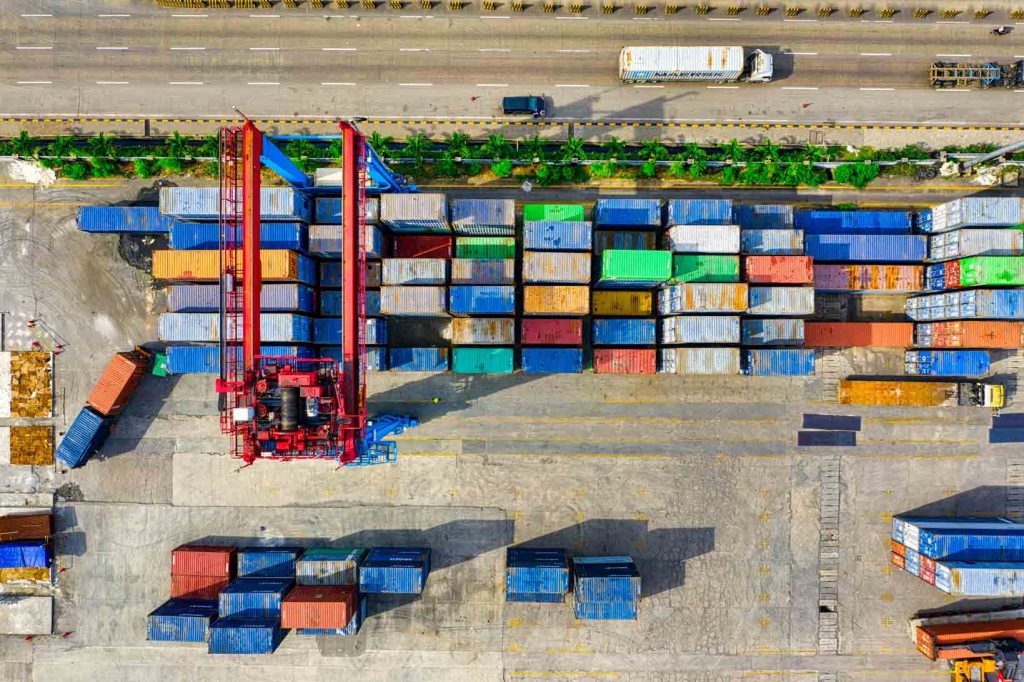
In an increasingly dynamic business environment, where economic fluctuations, disruptions in supply chains and sectoral uncertainties constantly alternate, up-to-date and reliable business information is more important than ever. Access to this information helps organisations better assess the financial health of their relationships, anticipate rather than react to risks, and make decisions faster and more informed. In this way, strategic choices can be made in a well-considered way and the company gets a better grip on the future.
Follow or consequences?

Is filing your annual accounts an annual obligation that gets pushed forward rather quickly? We understand that like no other. You may think: ‘as long as I'm within the legal deadline, there's nothing to worry about.’ This is true and, at the same time, not entirely true. Publishing financial statements on time is really not just about following the rules, but also the implications for funding, risk management and reputation. The rules vary depending on your company's legal form, but in all cases, financial statements must be filed within 12 months of the end of the financial year.
Rising energy costs also impact credit insurance
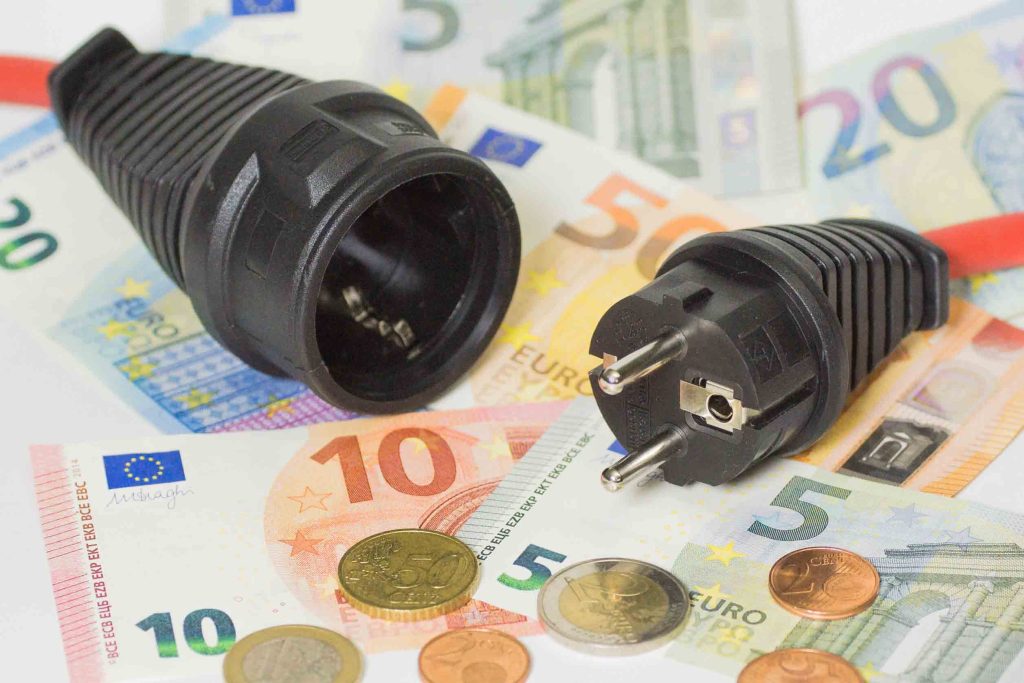
The recent war in Iran has had a direct impact on energy supplies and economic security worldwide. In particular, the blockade of the Strait of Hormuz is putting pressure on oil and gas supplies, causing prices to rise sharply in a short period of time. Oil could exceed $100 per barrel in some scenarios and gas prices in Europe are rocketing. The effect is already being felt within weeks, with an average increase of around €0.20 per cubic metre of gas. Clearly, we are once again facing an energy price shock reminiscent of previous crises.
Traditional or alternative?

As an entrepreneur, you are constantly thinking about the future of your business. With financing growth, perhaps an acquisition or optimising your working capital. Either way, appropriate financing is important. Whereas the house banker used to be the logical and often the only point of contact, the financing landscape has changed dramatically in recent years.
Friend and competitor
A guarantee is a product that companies need as soon as their customer asks for it. A guarantee guarantees the customer. An example? In construction projects, it covers the execution of work and advance payments. Or take the energy sector. There are sometimes big fluctuations in energy prices. Then there are guarantees to purchase energy or gas, or to supply energy at the predetermined price or for a certain quantity. Similarly, you have customs-related guarantees and rental guarantees. Insurers also work with other insurers and sometimes banks to provide the often extensive guarantees.
High volumes, thin margins
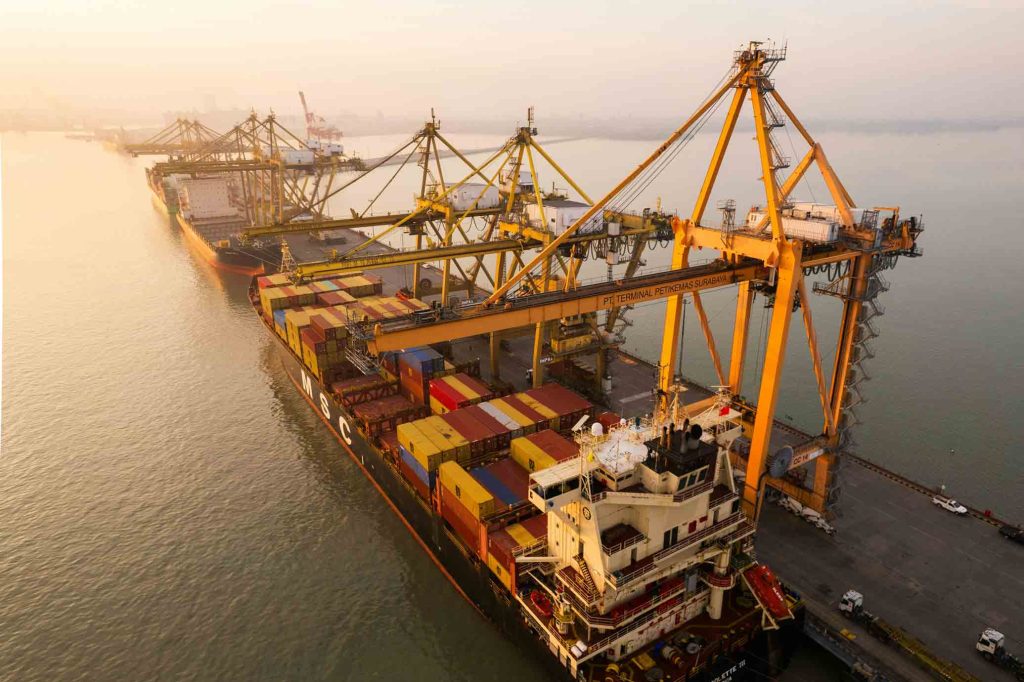
The commodity trading sector is characterised by high trading volumes, thin margins and strong price volatility. At the same time, transactions are often international and capital-intensive. On that playing field, a buyer's payment problem can directly affect liquidity and risk exposure. Credit insurance can therefore be a strategic tool to manage payment risks while enabling commercial growth.